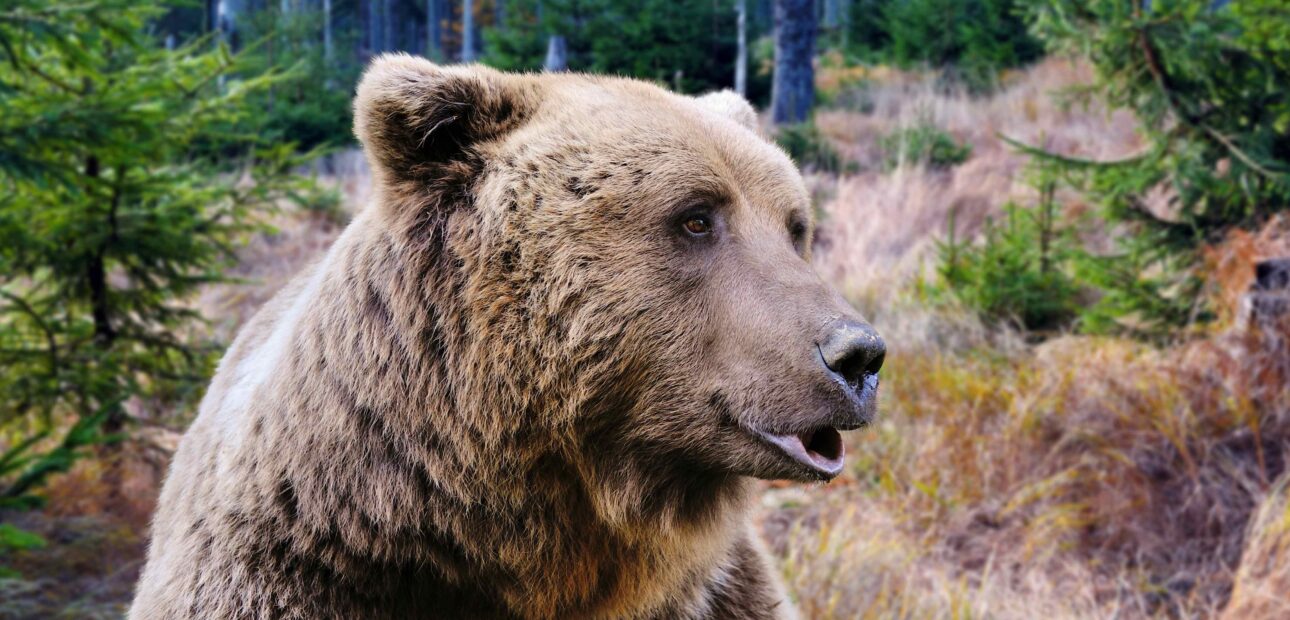
Grizzlies once roamed Oregon’s forests and coastal margins. Their legacy endures in toponyms and folklore, but their physical presence is gone. The question “are there grizzlies in Oregon” points to a broader concern about wildlife memory, range loss, and ecological assumptions. This article reconstructs the known history, present fauna, and traces of confusion between bear species on the Oregon coast.
The Historical Range and Its Disappearance
Before the 20th century, Ursus arctos horribilis moved through a wide corridor of western North America. The Cascade Range acted less as a barrier than a funnel. Coastal valleys and inland slopes allowed these apex omnivores access to salmon runs and open grassland. In Oregon, grizzlies ranged from the Columbia River southward to the California border.
European colonization altered this dynamic swiftly. With livestock expansion came retaliatory hunting. A specimen was recorded near Fort Clatsop in the early 1800s. By 1931, the last confirmed grizzly in Oregon had been killed. No verifiable sighting has occurred since.
Oregon Coast Wildlife: Which Bears Remain?
Despite the grizzly’s extirpation, Oregon still hosts robust bear populations. Misidentification is common, especially along the coast.
The American black bear (Ursus americanus) is now the only wild bear species in the state. These animals vary greatly in color—ranging from jet black to cinnamon—which can mislead observers. Some coastal bears are larger than expected, and from a distance their profile evokes the grizzly.
Three features help distinguish them:
- Shoulder hump: prominent in grizzlies, flat in black bears
- Face profile: concave in grizzlies, straight or convex in black bears
- Claws: long and pale in grizzlies, shorter and darker in black bears
Micro-observation: In the Siuslaw National Forest, early morning hikers often pause to examine scratch marks on tree trunks. Claw spacing offers clues, a subtle way locals distinguish species even without a direct sighting.
Toponyms, Misreadings, and the Legacy of Memory
Place names such as Grizzly Peak or Bear Creek suggest presence, but they often reflect historical fauna, not current populations. Cartographic memory can outlast biological reality.
Some confusion stems from historical journals and indigenous oral traditions. Descriptions of “large brown bears” were not always precise by modern taxonomy. Cultural filters shaped interpretation. In school programs at the Oregon Coast Aquarium, children often ask whether the bears still roam nearby. Educators respond with a map—one that shows the extent, loss, and current absence.
This gap between expectation and fact has ecological implications. It influences perception of risk, conservation planning, and even trail signage. A warning about bear activity may be interpreted as grizzly presence, despite black bears being the true subject.
Why the Question Persists
Even without grizzlies, the Oregon coast remains biologically dense. Elk, cougars, and raptors contribute to its layered wilderness. But the grizzly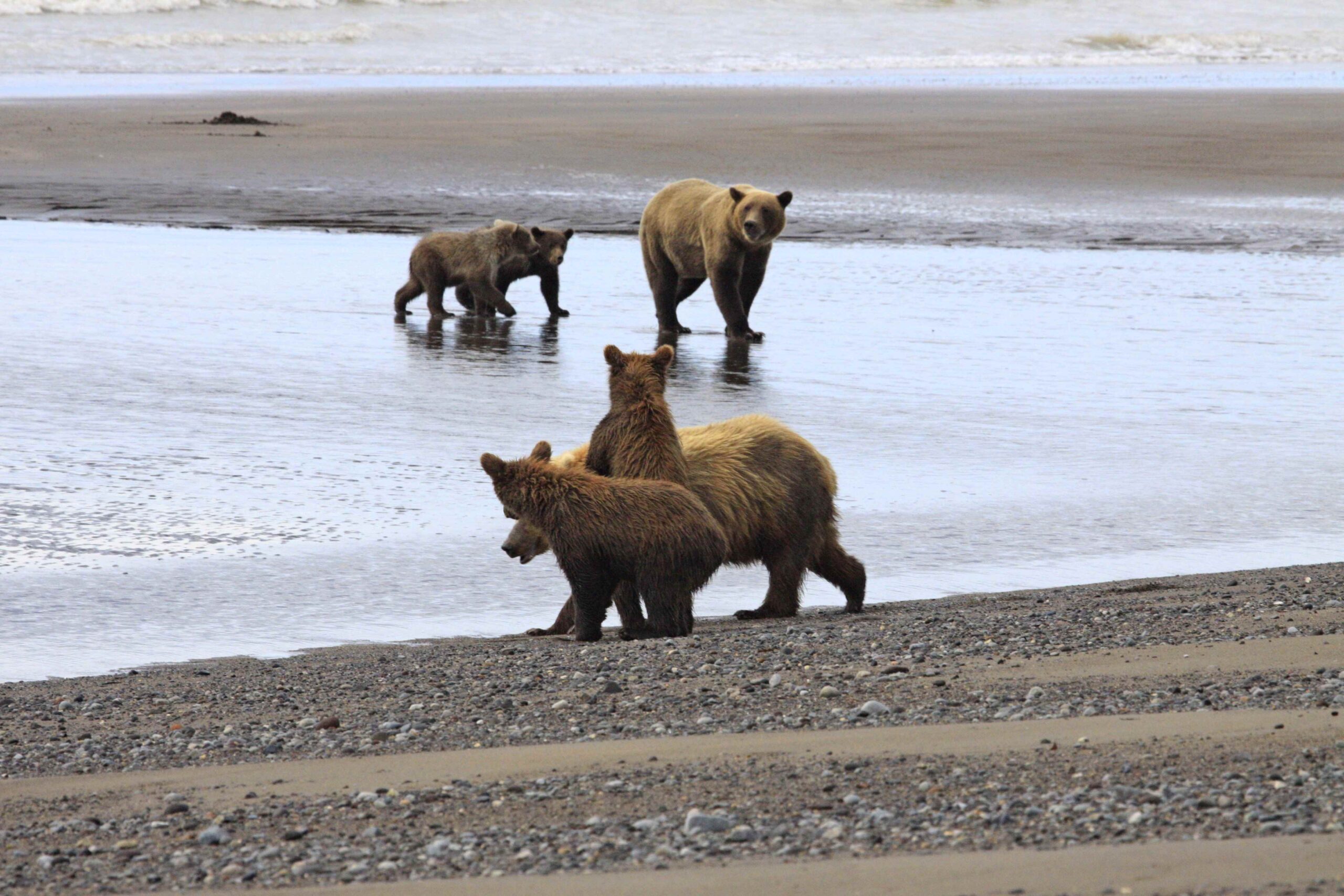 evokes something larger, symbolic rather than zoological.
Three reasons explain the continued question:
- Visual confusion with large black bears
- Enduring place names and regional myths
- Limited public knowledge about bear distribution
From a distance, especially near dusk, a large bear silhouetted against the coastal fog can suggest a past not entirely gone. The absence of grizzlies is factual, but their memory is ecological in nature, woven into the interpretive material of Oregon nature itself.
Oregon’s Present Bears: What to Know
For those navigating Oregon’s trails or managing wildlife encounters, clarity matters. Only black bears inhabit Oregon, and their distribution favors forested zones away from high human density. They are omnivorous but avoidant. Signs of presence include overturned logs, clawed bark, or seasonal scat rich in berries.
Occasional sightings occur along Route 101, especially at dawn. One local ranger noted a pattern: bears near trailheads just after rain, when the earth softens and beetle larvae move upward.
The grizzly remains a figure of Oregon’s natural past. In its absence, a quieter, subtler bear takes its place, no less important, only less mythologized.